Seat belts have long been recognized as a crucial safety feature in vehicles. They are designed to protect drivers and passengers from serious injuries during accidents. This article aims to highlight the importance of seat belts and provide comprehensive information about their usage.
Why are seat belts important?
Seat belts play a significant role in preventing injuries and saving lives in road accidents. By restraining occupants, they minimize the risk of ejection from the vehicle, which is often fatal. The National Highway Traffic Safety Administration (NHTSA) states that seat belts reduce the risk of fatal injuries to front-seat passengers by 45% and the risk of moderate to critical injuries by 50%.
Moreover, seat belts work in conjunction with other safety features, such as airbags, to provide maximum protection. They help to distribute the force of a crash evenly across the strongest parts of the body, such as the chest and pelvis, reducing the likelihood of severe injuries.
Seat belts are not only important for drivers but also for passengers, including children. Child passengers should always be secured in appropriate child safety seats or booster seats to ensure their utmost protection.
How do seat belts work?
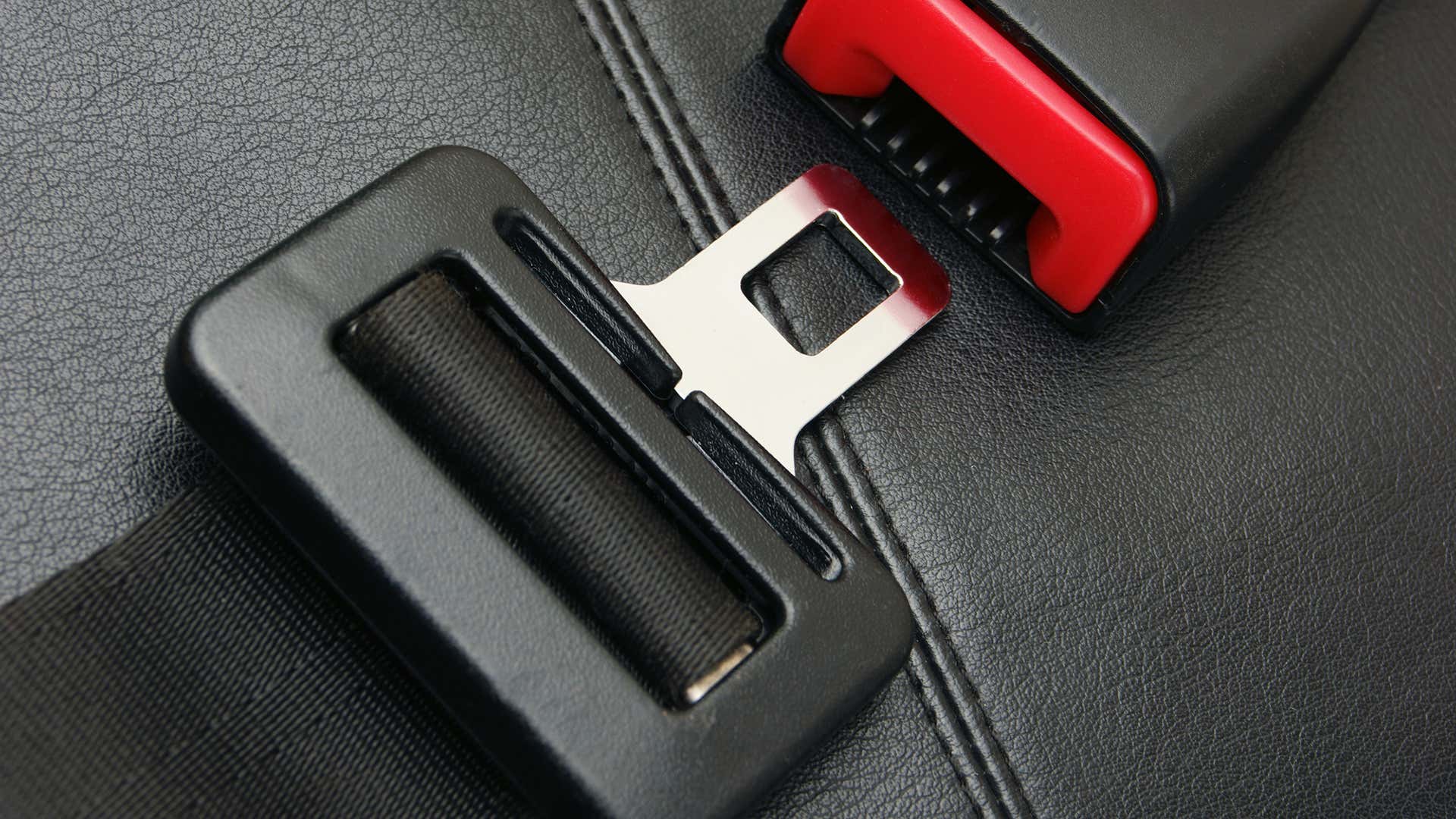
Seat belts consist of lap belts and shoulder belts, which work together to secure occupants in their seats. The lap belt is designed to fit snugly across the hips, while the shoulder belt crosses the chest and shoulder diagonally. This combination ensures that the forces of a crash are distributed over the strongest parts of the body.
When a vehicle suddenly stops or crashes, seat belts extend slightly to allow occupants to move forward gradually, preventing sudden jolts and reducing the risk of injuries. The seat belt retractor then locks, holding the occupant firmly in place.
Common seat belt misconceptions
There are several misconceptions surrounding the usage and effectiveness of seat belts. Let’s address some of the frequently asked questions to clarify these misconceptions:
FAQs
-
Q: Do seat belts cause injuries themselves?
A: No, seat belts are designed to prevent injuries. In some cases, they may cause minor bruises or abrasions, but these injuries are far less severe than those that could occur without wearing a seat belt.
-
Q: Are seat belts necessary in vehicles equipped with airbags?
A: Yes, seat belts are still crucial even if a vehicle is equipped with airbags. Airbags are designed to work in conjunction with seat belts, not as a replacement for them. Seat belts prevent occupants from being thrown forward during a collision, ensuring the airbags can provide maximum protection.
-
Q: Can pregnant women wear seat belts?
A: Yes, pregnant women should always wear seat belts. The lap belt should be positioned low across the hips, below the belly, and the shoulder belt should cross over the chest between the breasts and to the side of the belly.
-
Q: Are seat belts only necessary for long trips or high-speed driving?
A: No, seat belts are essential for every trip, regardless of distance or speed. Accidents can happen in an instant, even during short trips or at low speeds. Wearing a seat belt consistently is the best way to ensure your safety on the road.
Conclusion
Seat belts are a small yet incredibly impactful action that can make a big difference in preventing injuries and saving lives. By wearing seat belts properly and ensuring that all passengers, including children, are secured, we can significantly reduce the severity of injuries in road accidents.
Remember, buckling up is a simple habit that can have a profound impact on your safety and the safety of others. So, make sure to always fasten your seat belt before starting your journey!